

The success of a hair transplant doesn’t end when you leave the clinic; in many ways, it’s just beginning. The first few nights post-surgery are critical for the survival of your newly implanted grafts. These tiny follicles are incredibly delicate. They have been moved from their secure location in the donor area and placed into new, tiny incisions in the recipient area. Until they anchor themselves securely—a process that takes about 7 to 10 days—they are susceptible to being dislodged by friction, pressure, or contact.
This makes sleeping one of the most anxious activities for new patients. We toss and turn, rub our heads against pillows, and shift positions unconsciously throughout the night. Doing so after a hair transplantation can be disastrous. A single wrong move could result in a lost graft, leaving a gap in your new hairline. Therefore, mastering the art of post-op sleeping is an essential skill for protecting your investment.
The Golden Rule: Elevation
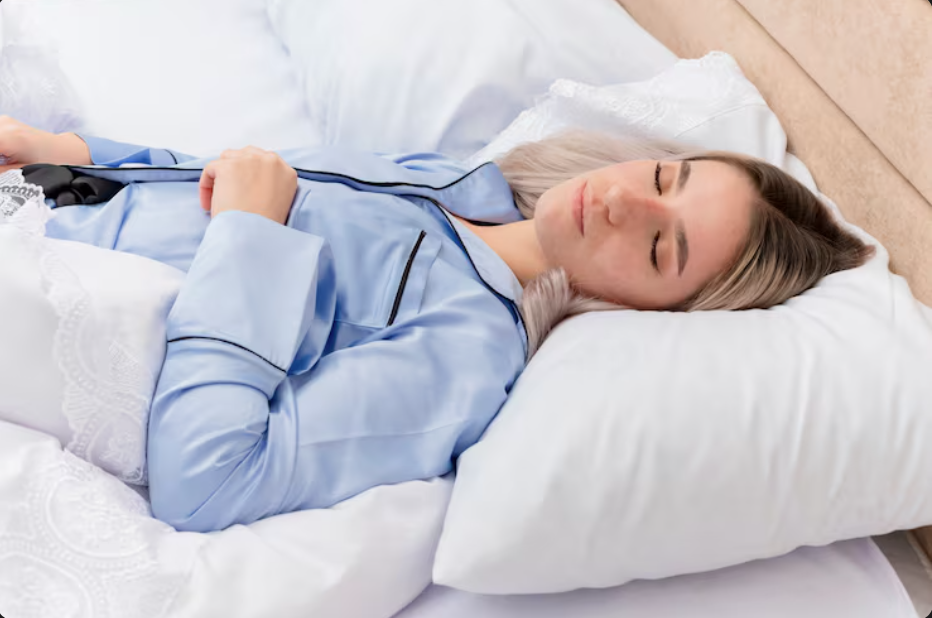
The most important instruction you will receive is to sleep with your head elevated. This isn’t just about protecting the grafts; it’s about managing swelling. Gravity is your best friend during recovery. When you lie flat, fluids can accumulate in the facial tissues, leading to significant swelling around the forehead and eyes. In severe cases, this swelling can descend to the eyelids, making it difficult to open them.
To prevent this, you should sleep with your upper body propped up at a 45-degree angle for the first 3 to 5 nights. You can achieve this by stacking two or three pillows on your bed or, even better, by sleeping in a reclining chair. The goal is to keep your head above your heart level. This encourages lymphatic drainage and keeps the swelling away from the delicate recipient area.
The Neck Pillow Strategy
While elevation handles the swelling, the real danger is friction. If you turn your head while sleeping and rub the recipient area against a cotton pillowcase, the coarse fabric can hook onto the scabs and pull the grafts out. To prevent this, most clinics, including Gold City, provide patients with a travel neck pillow—the kind used on airplanes.
Using a neck pillow is non-negotiable for the first week. It acts as a stabilizer, cradling your neck and preventing your head from rolling side-to-side. By locking your head in a forward-facing position, you ensure that the only part of your scalp touching anything is the donor area (the back of the head). The recipient area (usually the hairline or crown) remains suspended in the air, free from contact.
Managing the Donor Area
It is safe for the donor area to touch the pillows. In fact, you may find that the donor area oozes a little fluid (a mixture of anesthetic and serum) onto the pillow during the first night. This is normal. To protect your bed linen, place a disposable absorbent pad (often provided in your post-op kit) or a clean, dark towel over your pillows.
The donor area might also feel tender or itchy as it heals. Some patients find that the pressure of the neck pillow actually provides a comforting counter-pressure to this sensation. However, if the itching becomes intense, do not scratch. Mist the area with the saline spray provided by your surgeon to soothe the skin.
When Can I Sleep Normally?
The strict sleeping protocol is temporary. The critical window is the first 7 to 9 days. By day 10, the grafts are typically anchored securely in the scalp. At this point, the risk of dislodging them is minimal. You can usually return to sleeping flat on your back without the neck pillow.
However, side sleepers and stomach sleepers need to be more patient. Sleeping on your stomach puts direct pressure on the hairline and temples. It is generally advised to avoid stomach sleeping for at least two weeks to ensure the grafts are fully integrated and the scabs have completely healed.
Creating a Sanctuary
Preparing your sleeping environment before you go in for surgery is a smart move. Wash all your bedding in hot water to minimize bacteria. Keep your room cool; sweating at night can irritate the scalp and increase the risk of infection. If you share a bed with a partner or a pet who moves around a lot, consider sleeping in a separate room for a few nights to avoid accidental bumps.
A Small Sacrifice for a Lifetime Result
Adopting a “soldier-style” sleeping position for a week is admittedly uncomfortable. Many patients report that the lack of quality sleep is the most annoying part of the recovery. But perspective is key. You have invested time, money, and emotional energy into restoring your hair. Sacrificing a few nights of deep sleep to ensure those grafts survive is a small price to pay.
When you look in the mirror six months later and see a dense, permanent hairline, you won’t remember the week you spent sleeping upright. You will only see the result. So, fluff up those pillows, put on your neck brace, and rest easy knowing you are doing everything right to support your Hair transplantation journey.