


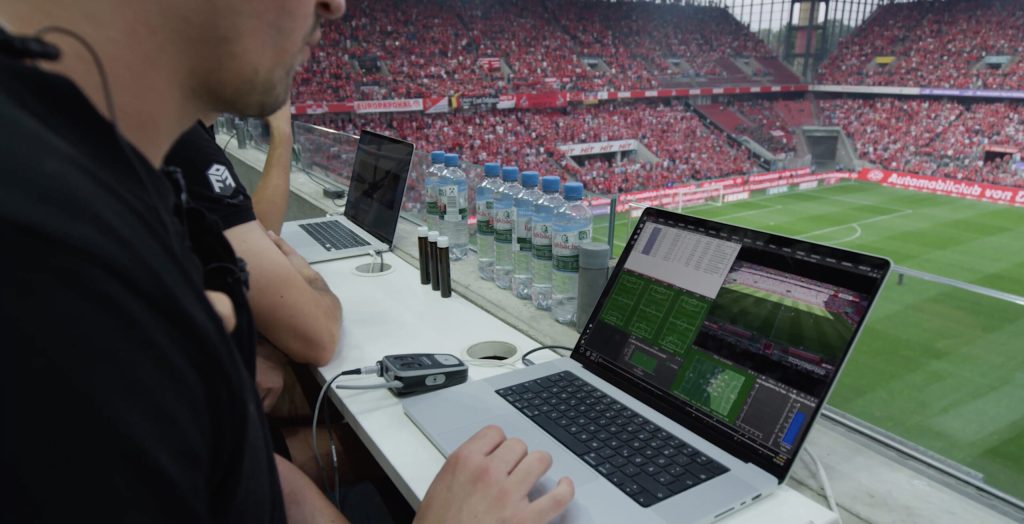
Football performance analytics has quietly reshaped the modern game, changing how teams train, how coaches make decisions, and how players understand their own strengths and weaknesses. What once relied purely on instinct, experience, and the coach’s eye is now supported by layers of data that reveal patterns invisible during live play. From elite European clubs to grassroots academies, analytics has become part of football’s everyday language.
This transformation did not happen overnight. It grew from simple match statistics into a sophisticated system that measures movement, decision-making, efficiency, and impact. Today, football analytics is not about replacing human judgment but enhancing it, blending numbers with football intelligence to gain a competitive edge.
The Evolution of Data in Football
In earlier eras, football analysis meant goals scored, assists, and perhaps tackles made. Coaches relied heavily on memory and post-match discussions. Over time, the rise of digital recording, wearable technology, and advanced software pushed the sport into a new dimension. This shift laid the foundation for football performance analytics as we know it today.
The introduction of video analysis was the first major step. Matches could be replayed, paused, and dissected. Coaches began noticing positioning errors, pressing patterns, and transitions that were easy to miss in real time. Soon after, statistical companies began tracking every pass, interception, and shot, adding measurable context to tactical discussions.
As data collection became more precise, clubs realized they could quantify performance trends across seasons. A midfielder’s influence could be measured beyond goals and assists, while defenders could be evaluated on positioning, recoveries, and passing under pressure. This marked a major cultural shift in how football performance was understood.
What Football Performance Analytics Really Measures
At its core, football performance analytics is about turning actions into insights. Every movement on the pitch carries information. Modern analytics systems track physical output, technical execution, and tactical awareness, creating a detailed performance profile for each player.
Physical metrics include distance covered, sprint intensity, acceleration, and recovery times. These numbers help sports scientists manage workload and prevent injuries. Technical data focuses on passing accuracy, shot quality, dribble success, and defensive duels. Tactical metrics go even deeper, examining spacing, pressing triggers, and off-the-ball movement.
Together, these dimensions provide a holistic view of performance. A player who appears quiet on television may actually be controlling space, disrupting opposition passing lanes, and enabling teammates to thrive. Analytics gives language and evidence to these subtle contributions.
How Clubs Use Analytics for Tactical Decisions
One of the most powerful applications of football performance analytics lies in match preparation and in-game strategy. Coaches now enter matches armed with detailed reports about opponents. These reports highlight pressing vulnerabilities, preferred build-up patterns, and defensive weaknesses.
For example, analytics might reveal that an opposing full-back struggles when pressed from the inside or that a team concedes most chances during defensive transitions. Armed with this information, coaches design training sessions and match plans that target these weaknesses. The game becomes less about reacting and more about proactive problem-solving.
During matches, analysts monitor live data feeds. They track pressing efficiency, passing networks, and physical fatigue. This real-time information supports substitution decisions and tactical adjustments, allowing teams to respond intelligently as the match unfolds.
Player Development Through Analytics
For players, football performance analytics has become a mirror reflecting both strengths and areas for growth. Young players in academies grow up with dashboards that track their progress. They learn early that improvement is measurable and continuous.
Consider a winger working on end product. Analytics can show how often they reach dangerous zones, the quality of their final ball, and how their decision-making compares to elite benchmarks. This feedback transforms abstract coaching advice into concrete goals.
At the elite level, players use analytics to fine-tune performance. Strikers analyze shot maps to understand where they score most effectively. Midfielders study passing networks to improve tempo control. Defenders review positioning data to reduce exposure during transitions. In each case, analytics empowers players to take ownership of development.
Recruitment and Scouting in the Data Era
Scouting has been revolutionized by football performance analytics. Traditionally, scouts relied on live matches and video clips, often limited by geography and budget. Today, data platforms allow clubs to scan thousands of players across leagues and continents.
Analytics helps identify undervalued talent by highlighting performance indicators that traditional scouting might miss. A defensive midfielder with modest highlight reels might excel in interceptions, ball recoveries, and progressive passes. Data flags such players as potential hidden gems.
Recruitment teams now combine data shortlists with live scouting to reduce risk. This hybrid approach balances statistical evidence with human judgment, ensuring signings fit both tactical needs and cultural expectations.
Analytics and Injury Prevention
Another crucial role of football performance analytics is injury management. Football is physically demanding, and injuries can derail seasons. By tracking workload, sprint intensity, and recovery patterns, sports science teams can spot early warning signs.
Analytics helps design individualized training plans. A player returning from injury might have their minutes managed carefully based on fatigue indicators. Similarly, congested fixture schedules are monitored to reduce overuse injuries. This proactive approach protects player health while maintaining performance levels.
Over time, injury data also informs squad rotation strategies. Coaches learn which players recover faster and which need more rest, allowing for smarter long-term planning.
Real-Life Impact on Match Outcomes
The influence of football performance analytics is perhaps most visible in big matches where margins are thin. Tactical tweaks informed by data can swing outcomes. A subtle shift in pressing height or a targeted overload on one flank might be the product of hours of analysis.
Clubs competing at the highest level invest heavily in analytics departments because they understand its competitive value. Success is no longer just about talent but about maximizing that talent through informed decisions.
Fans may not always see the analytics behind the scenes, but its fingerprints are everywhere, from unexpected tactical setups to breakout performances by previously overlooked players.
Fan Engagement and Media Analysis
Analytics has also changed how fans consume football. Broadcasters now display passing maps, expected goals, and pressing statistics during matches. This has deepened understanding and sparked richer conversations among supporters.
The rise of fan-focused analysis platforms has democratized data. Supporters analyze matches, debate tactical choices, and compare players using advanced metrics. This shared language of data has brought fans closer to the game’s strategic core.
As football performance analytics becomes more mainstream, it bridges the gap between professional analysis and fan passion, enriching the overall football experience.
The Balance Between Data and Instinct
Despite its power, analytics does not replace intuition. Football remains unpredictable, influenced by emotion, momentum, and individual brilliance. The most successful clubs understand this balance. They use data to inform decisions, not dictate them blindly.
Experienced coaches interpret analytics through a football lens. They recognize when to trust numbers and when to trust the feel of the game. This blend of science and art defines the modern football mindset.
Analytics provides clarity, but leadership and creativity still shape outcomes. The harmony between data and human insight is what makes football performance analytics truly effective.
Ethical and Cultural Considerations
As analytics grows, questions around data ownership and player privacy emerge. Clubs must handle performance data responsibly, ensuring transparency and trust. Players increasingly want to understand how their data is used and how it benefits their careers.
Culturally, analytics adoption varies across leagues and regions. Some footballing cultures embrace data eagerly, while others remain cautious. Over time, shared success stories are gradually breaking down resistance, proving that analytics enhances rather than diminishes football’s soul.
The Future of Football Performance Analytics
Looking ahead, football performance analytics will continue evolving. Artificial intelligence, predictive modeling, and enhanced tracking systems will offer even deeper insights. Coaches may soon receive predictive suggestions about substitutions or tactical shifts based on live data patterns.
Youth development programs will integrate analytics from earlier ages, creating players comfortable with data-driven feedback. Fans will access richer analytical content, transforming how matches are watched and discussed.
The game will still be decided by moments of magic, but those moments will be shaped, supported, and understood through analytics more than ever before.
Read also:
japan national football team vs indonesia national football team lineups
indonesia national football team vs laos national football team standings
spain national football team vs england national football team lineups
india national football team standings