


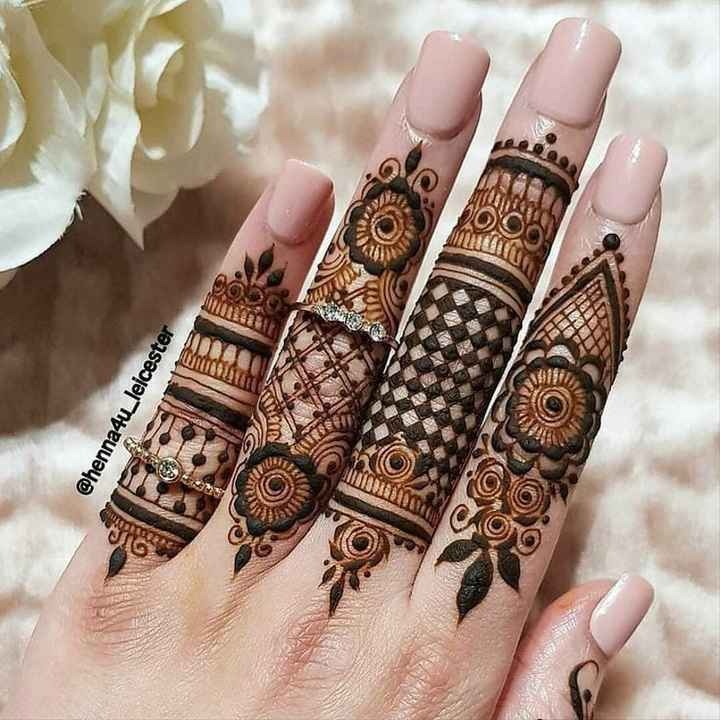
Finger mehndi patterns have become a beautiful way to express personal style, tradition, and creativity without covering the entire hand. From brides who want delicate details to modern fashion lovers who prefer minimalist henna, finger-only designs are trending across cultures. Whether you’re attending a wedding, festival, or casual celebration, finger mehndi can instantly elevate your look with subtle elegance.
In many South Asian and Middle Eastern households, applying mehndi is more than just a beauty ritual. It’s a shared moment between sisters, friends, and mothers, filled with laughter, stories, and anticipation. Over the years, finger mehndi has evolved from traditional motifs to modern, artistic expressions influenced by fashion, social media, and global trends.
This guide explores the history, types, styling tips, cultural significance, and modern inspirations of finger mehndi designs. The goal is to help you choose patterns that reflect your personality while honoring tradition.
Table of Contents
ToggleThe Cultural Significance of Finger Mehndi
Mehndi has deep roots in South Asian, Middle Eastern, and North African cultures. Historically, it symbolized joy, prosperity, and blessings. Brides applied elaborate designs on their hands and feet, while women and girls wore simpler patterns during festivals like Eid, Diwali, Karva Chauth, and Teej.
Finger mehndi, in particular, was often used for quick rituals or casual events. Over time, it gained popularity as a fashion statement, especially among young women who wanted intricate details without full-hand coverage. Today, finger-only designs are common at college events, pre-wedding parties, and even photoshoots.
The evolution of mehndi patterns mirrors the way fashion evolves. Traditional paisleys and florals now coexist with geometric lines, mandalas, and minimalist dots, making finger mehndi suitable for both traditional and modern aesthetics.
Why Finger Mehndi Patterns Are Trending
The rise of finger mehndi is not accidental. Social media platforms like Instagram and Pinterest have played a major role in popularizing delicate finger designs. Influencers, brides, and artists showcase unique patterns that inspire millions of people worldwide.
Another reason for their popularity is convenience. Full-hand mehndi requires time, patience, and maintenance. Finger designs, on the other hand, are quick to apply, easy to dry, and perfect for those who want a subtle look.
For professionals who want to maintain a polished appearance at work, finger mehndi offers a balance between tradition and minimalism. It allows cultural expression without overwhelming the overall look.
Types of Finger Mehndi Patterns
Traditional Finger Mehndi Designs
Traditional finger mehndi often features floral motifs, paisleys, vines, and fine lines. These patterns usually start at the fingertip and extend toward the knuckle or mid-hand. They are commonly used in weddings and festivals and reflect centuries-old artistry.
These designs often include symbolic elements like lotus flowers, peacock feathers, and intricate grids that represent prosperity and harmony. When applied to fingers, they create a regal and timeless appearance.
Minimalist Finger Mehndi Patterns
Minimalist designs are perfect for those who prefer clean and modern aesthetics. These patterns use simple dots, lines, and small motifs placed strategically on the fingers. They are popular among young women and professionals who want something subtle yet stylish.
A single line running across the finger, tiny hearts, or small geometric shapes can create a chic and contemporary look. Minimalist finger mehndi is also ideal for those who are new to henna and want a quick, elegant design.
Arabic-Inspired Finger Mehndi
Arabic mehndi designs are known for their bold strokes, large florals, and flowing patterns. When adapted to fingers, these designs focus on bold motifs near the fingertips, with trailing vines and leaves extending toward the knuckles.
Arabic finger designs are often less dense and more spaced out, making them perfect for those who want a bold yet breathable look. These patterns are widely used in Middle Eastern weddings and celebrations.
Bridal Finger Mehndi Patterns
Bridal finger designs are usually intricate and detailed, complementing full-hand bridal mehndi. They often include fine lace-like patterns, mandalas, and symbolic motifs like rings, bangles, and paisleys.
Brides who prefer modern bridal styles sometimes choose finger-only mehndi paired with nude nails and jewelry. This creates a sophisticated and contemporary bridal look while still honoring tradition.
Finger Mehndi Patterns for Different Occasions
Wedding and Engagement Ceremonies
For weddings, finger mehndi should be elegant and detailed. Bridesmaids and guests often choose patterns that match their outfits and jewelry. Fine lines, floral vines, and symmetrical designs work beautifully for formal events.
Engagement ceremonies often feature rings, initials, or symbolic motifs integrated into finger designs. These personalized touches make the mehndi meaningful and memorable.
Festivals and Religious Events
During festivals like Eid, Diwali, and Karva Chauth, finger mehndi patterns are a popular choice. Women apply them quickly before celebrations, pairing them with bangles, rings, and festive outfits.
Festive finger designs often include crescents, stars, flowers, and traditional motifs that reflect cultural themes. They are usually lighter and more playful compared to bridal designs.
Casual and Everyday Wear
Casual finger mehndi is becoming a trend among fashion enthusiasts. People apply small designs for photoshoots, parties, and even daily wear. Simple lines, dots, and minimal motifs can add a stylish touch without looking too formal.
Some people even coordinate finger mehndi with nail art, creating a cohesive and trendy look. This fusion of henna and nail fashion is especially popular among influencers.
How to Choose the Right Finger Mehndi Design
Choosing the right design depends on your personal style, occasion, and outfit. If you love traditional looks, opt for intricate floral and paisley patterns. For modern outfits, minimalist or geometric designs work best.
Skin tone also plays a role in how mehndi appears. Darker henna stains look stunning on lighter skin, while medium tones create a subtle and elegant contrast on deeper skin tones.
Consider your accessories as well. Rings, bracelets, and nail colors can enhance the overall appearance of finger mehndi. Coordinating these elements creates a polished and cohesive look.
Application Tips for Perfect Finger Mehndi
Applying mehndi on fingers requires precision and steady hands. Start with clean, dry skin to ensure the henna adheres properly. Use a fine-tipped cone for detailed patterns and practice on paper before applying on skin.
Let the mehndi dry naturally and avoid smudging. Once dry, apply a mixture of lemon juice and sugar to seal the design and enhance the color. Keeping the mehndi on for several hours or overnight will result in a deeper stain.
After removing the dried paste, avoid water for at least 12 hours. Applying natural oils like coconut or mustard oil can help darken the color and prolong the design.
Modern Trends in Finger Mehndi
Fusion with Nail Art
One of the biggest trends is combining finger mehndi with nail art. Designs are aligned with nail patterns, creating a cohesive and artistic look. This trend is especially popular for weddings and photoshoots.
Geometric and Abstract Patterns
Modern artists are experimenting with geometric shapes, lines, and abstract motifs. These patterns are inspired by contemporary art and fashion, making them ideal for fashion-forward individuals.
Personalized Designs
Personalized finger mehndi designs featuring initials, dates, or symbols are gaining popularity. These designs are often used for engagements, anniversaries, and special occasions.
Finger Mehndi Patterns and Their Symbolic Meanings
Many finger mehndi designs carry symbolic meanings. Floral motifs symbolize beauty and joy, while paisleys represent fertility and prosperity. Geometric patterns often symbolize balance and harmony.
Some people incorporate religious symbols or cultural motifs to express faith and heritage. These symbolic designs add depth and meaning to the mehndi beyond aesthetics.
Styling Finger Mehndi with Outfits
Finger mehndi can be styled with both traditional and modern outfits. With lehengas and sarees, intricate patterns complement heavy jewelry and embroidery. With western outfits, minimalist designs add a unique cultural touch.
Neutral nail colors like nude, beige, and pastel shades work well with mehndi, while bold colors like red and maroon create a dramatic contrast. Choosing the right combination can elevate your overall appearance.
Finger Mehndi Patterns for Bridesmaids and Guests
Bridesmaids and wedding guests often prefer finger-only mehndi because it is elegant and less time-consuming. Coordinating designs among bridesmaids can create a visually appealing and cohesive look in wedding photos.
Guests can choose designs that match their outfits and jewelry, ensuring a stylish and festive appearance without overshadowing the bride.
The Future of Finger Mehndi Art
Mehndi art continues to evolve with technology and global influences. Digital design tools, online tutorials, and international collaborations are shaping the future of henna artistry. Finger mehndi, in particular, is becoming a canvas for creative expression, blending tradition with innovation.
As more people embrace cultural art forms in modern fashion, finger mehndi is likely to remain a timeless trend. It represents individuality, heritage, and artistry in a single elegant form.
Expert Insights and EEAT Perspective
Henna artists and cultural historians emphasize that mehndi is more than a beauty trend. It is an art form passed down through generations, reflecting cultural identity and personal expression. Experienced artists recommend practicing traditional techniques before experimenting with modern designs to preserve the authenticity of the art.
From an experiential perspective, many women share that applying mehndi on fingers is a bonding ritual. Mothers teach daughters, friends gather to share stories, and brides cherish the moments before their big day. These lived experiences add emotional value to finger mehndi patterns, making them meaningful beyond aesthetics.
Trustworthy henna artists also highlight the importance of using natural henna to avoid skin reactions. Natural henna produces a reddish-brown stain and is safe for most skin types, unlike chemical-based cones that can cause allergies.
Finger mehndi patterns continue to evolve, blending tradition, fashion, and personal expression. From minimalist lines to intricate bridal designs, finger mehndi offers endless possibilities for creativity and cultural celebration. By understanding the history, trends, and application techniques, you can choose designs that reflect your personality and enhance your style effortlessly.