


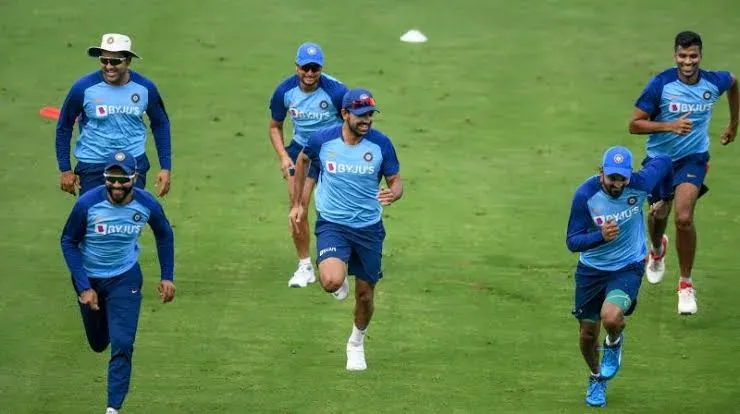
Cricket Specific Workouts have revolutionized how modern players prepare their bodies for the unique demands of this complex sport. Unlike generic fitness routines that build general athleticism, these targeted training programs mirror the exact movement patterns, energy systems, and physical requirements cricketers face during actual match situations.
I’ll never forget watching my club teammate struggle through his first season despite being incredibly fit from marathon running. He could run for hours without tiring, yet after bowling just three overs, his pace dropped dramatically and his accuracy disappeared. His cardiovascular fitness was exceptional, but it was completely wrong for cricket. Six weeks after switching to cricket-specific conditioning that focused on repeated short bursts rather than steady-state running, he could bowl unchanged through eight-over spells while maintaining pace and accuracy.
Understanding What Makes Cricket Training Truly Specific
Cricket presents unusual physical demands that generic workout programs simply don’t address. A fast bowler sprints fifteen meters, explodes through a delivery stride generating enormous force, then walks back slowly to repeat this pattern dozens of times. A batsman might stand relatively still for minutes, then execute explosive movements requiring maximum power in fractions of a second.
These intermittent high-intensity efforts separated by recovery periods define cricket’s energy system demands. The sport requires what physiologists call the phosphagen and glycolytic energy systems for explosive efforts, combined with aerobic capacity supporting recovery between these intense bursts. Training that develops all these systems in cricket-relevant patterns produces far better results than programs emphasizing only one energy pathway.
Movement patterns in cricket are highly specialized and rarely replicate those in other sports. The rotational power generating bat speed during cover drives, the single-leg force application during bowling delivery, the rapid deceleration required when fielding near boundaries—these specific movement qualities need targeted development through exercises mimicking actual cricket actions.
Body position awareness and balance under dynamic conditions separate cricket from many other sports. A batsman playing a pull shot must rotate explosively while maintaining balance on their back foot. A fielder diving to stop a boundary must control their body through space and recover quickly to throw. Traditional gym exercises performed in stable, controlled environments don’t develop these cricket-specific qualities adequately.
Dynamic Warm-Up Routines Preparing Bodies for Cricket Performance
Effective Cricket Specific Workouts always begin with comprehensive warm-ups preparing the body for the explosive movements ahead. Static stretching before activity has fallen out of favor, replaced by dynamic movement sequences that raise core temperature, increase range of motion, and activate key muscle groups.
Walking lunges with rotation warm up the hips, legs, and core while mimicking the rotational demands of batting and bowling. As you step forward into a lunge, rotating your torso toward the front leg wakes up the entire kinetic chain used during cricket skills. Performing two sets of ten lunges per leg provides excellent preparation for training or matches.
Leg swings in multiple directions mobilize the hips through ranges needed for cricket movements. Front-to-back swings prepare for stride movements, while side-to-side swings open up the hip joints for lateral movements. Performing fifteen swings in each direction per leg systematically prepares the lower body for demanding work ahead.
Arm circles and shoulder mobility drills prepare the upper body for throwing, bowling, and batting. Small circles progressing to large circles in both forward and backward directions warm up the shoulder joints. Adding band pull-aparts and shoulder dislocations with a light stick ensures shoulders move freely through their full range before explosive training.
Activation exercises targeting key muscle groups ensure they’re ready to fire properly during main training. Glute bridges activate the posterior chain critical for power generation. Planks wake up core muscles. Band walks activate hip abductors and external rotators. These short activation drills dramatically improve subsequent training quality and reduce injury risk.
Explosive Power Development Through Plyometric Training
Plyometric exercises develop the reactive strength and explosive power that separate elite cricketers from average players. These exercises train the stretch-shortening cycle where muscles rapidly lengthen then immediately contract, producing greater force than either action alone.
Box jumps represent one of the most accessible yet effective plyometric exercises for cricketers. Starting from a standing position, you drop into a quarter squat then explode upward onto a box or platform. The focus remains on jumping height and soft landings rather than simply completing repetitions. Three sets of five jumps with complete recovery between sets builds tremendous lower body power applicable to batting and bowling.
Broad jumps develop horizontal power more specific to the forward stride movements in batting and the explosive run-up in fast bowling. Stand with feet hip-width apart, swing your arms back while dropping into a slight squat, then explode forward and upward trying to jump as far as possible. Landing softly and maintaining balance challenges the entire system. Four sets of three maximal broad jumps build explosive horizontal power.
Medicine ball throws in various directions develop the rotational power driving batting performance and throwing velocity. Standing perpendicular to a wall, you load the medicine ball to one hip, then explosively rotate and throw it against the wall. This movement mirrors the exact pattern used during powerful cricket shots. Performing three sets of eight throws per side builds sport-specific rotational power.
Single-leg hops progress plyometric training toward the unilateral patterns cricket demands. Hopping on one leg for distance or height develops the reactive strength needed when planting on the front foot during batting or bowling. These challenging exercises require good baseline strength and balance before attempting. Two sets of five hops per leg provide adequate stimulus without excessive fatigue.
Cricket-Specific Conditioning Drills Mimicking Match Demands
Traditional distance running does little for cricket fitness because it develops the wrong energy systems through the wrong movement patterns. Cricket Specific Workouts for conditioning replicate the intermittent high-intensity nature of actual cricket performance.
Interval sprint training mirrors the repeated sprint demands of fast bowling and aggressive running between wickets. A classic protocol involves sprinting fifteen to twenty meters at maximum effort, walking back to the start, then repeating. Bowlers might perform twelve to fifteen repetitions matching their typical over count. Batsmen might do shorter, more varied sprints replicating running between wickets under different situations.
Shuttle runs develop the change of direction ability needed throughout cricket. Set markers at five, ten, and fifteen meters. Sprint to the first marker, touch the ground, sprint back to start, touch the ground, sprint to the second marker, return to start, then sprint to the third marker and return. This continuous pattern builds cricket-relevant conditioning while training deceleration and acceleration mechanics.
Cricket-specific circuit training combines various exercises mimicking different match demands. A circuit might include medicine ball slams replicating bowling effort, lateral bounds mimicking fielding movements, battling ropes for upper body conditioning, and bodyweight exercises like burpees. Performing each exercise for thirty seconds with fifteen-second transitions creates excellent cricket conditioning.
Position-specific conditioning ensures training matches individual role demands. Fast bowlers benefit from longer recovery intervals between sprints, mimicking overs bowled with breaks. Batsmen might perform continuous work for extended periods, replicating long innings at the crease. Fielders need multidirectional sprint ability with quick recovery between efforts.
Rotational Power Exercises for Batting Excellence
Batting power originates primarily from rotational force generated through the core and hips rather than arm strength. Training exercises that develop explosive rotation through cricket-relevant patterns directly improve batting performance.
Cable rotations using a cable machine or resistance band build rotational strength through full ranges of motion. Stand perpendicular to the cable with arms extended, holding the handle at shoulder height. Rotate away from the anchor point, pulling the cable across your body while maintaining straight arms and rotating from the hips and core. This movement pattern closely replicates the rotation during powerful batting strokes.
Medicine ball rotational slams combine rotation with explosive power expression. Stand with feet shoulder-width apart, holding a medicine ball. Rotate to one side, lifting the ball overhead, then explosively slam it down to the opposite side while rotating through your hips and core. The violent rotational and downward force mirrors the pattern used during aggressive shots like pulls or hooks.
Landmine rotations provide another excellent tool for developing batting-specific rotational power. Place a barbell in a landmine attachment or corner, hold the opposite end with both hands, and rotate from side to side while maintaining a slight squat. This exercise allows heavy loading of the rotational pattern without excessive spinal stress.
Anti-rotation exercises like Pallof presses develop the core stability preventing energy leakage during powerful rotations. Stand perpendicular to a cable or band anchor, hold the handle at chest height, then press straight forward while resisting the pull trying to rotate you toward the anchor. This stability allows more efficient force transfer during actual batting movements.
Fast Bowling Development Through Specific Strength Work
Fast bowling places enormous stress on the body while requiring tremendous power generation. Cricket Specific Workouts for pace bowlers emphasize posterior chain strength, single-leg power, and core stability supporting high bowling velocities while protecting against injury.
Single-leg Romanian deadlifts develop the posterior chain strength and balance critical during the bowling delivery stride. Standing on one leg while holding dumbbells or a barbell, hinge at the hip allowing the non-weight bearing leg to extend behind you while lowering the weight toward the ground. This exercise strengthens the exact muscles and movement pattern used when planting on the front leg during delivery.
Loaded carries build the trunk stability needed to transfer force from the lower body through the core into the bowling arm. Farmer’s walks holding heavy dumbbells at your sides, overhead carries with a weight held above your head, or suitcase carries with weight on just one side all challenge core stability while building functional strength.
Med ball overhead throws backward develop the explosive hip extension power driving bowling pace. Stand with your back to a wall or have a training partner behind you. Hold a medicine ball between your legs, hinge at the hips, then explosively extend hips while releasing the ball backward and overhead. This powerful hip extension mirrors the force generation during bowling delivery.
Banded bowling motion exercises allow practicing the bowling action under resistance without the impact stress of actual bowling. Attach a resistance band to a fixed point, hold the other end in your bowling hand, then perform your bowling action against the band’s resistance. This develops arm speed and strengthens the specific muscles involved in your bowling motion.
Fielding-Specific Agility and Reactivity Training
Elite fielding requires explosive first steps, rapid direction changes, and the ability to dive, stop, and throw in one fluid movement. Targeted exercises develop these qualities more effectively than general agility drills from other sports.
Reaction ball throws develop the rapid reflexes needed for close catching and stopping hard-hit ground balls. Reaction balls have irregular shapes causing unpredictable bounces. Throwing one against a wall and catching the erratic rebound trains quick reactions and hand-eye coordination under uncertain conditions mirroring actual fielding scenarios.
Lateral shuffle drills with resistance bands build the side-to-side movement ability needed when cutting off boundaries or moving across for catching positions. Place a mini band around your ankles or just above your knees, assume an athletic stance, then shuffle rapidly side to side while maintaining the tension in the band. This resistance forces proper movement mechanics while strengthening hip muscles controlling lateral movement.
Cone drills in various patterns develop multidirectional speed and change of direction ability. Set up cones in patterns requiring forward sprints, backpedaling, lateral movements, and diagonal cuts. Sprinting through these patterns while focusing on explosive direction changes and maintaining balance builds fielding-specific agility.
Partner reaction drills add the unpredictability of match situations to agility training. A partner points in random directions, and you must sprint five to ten meters in that direction as quickly as possible. This trains the rapid decision-making and explosive first step critical for elite fielding while keeping training engaging and competitive.
Batting-Specific Footwork and Movement Drills
Footwork quality separates great batsmen from merely good ones, and specific drills develop the quick, precise foot movements batting demands. These exercises don’t require bats or balls but dramatically improve movement quality when facing bowlers.
Cone drills mimicking batting footwork patterns train movement precision and speed. Set up cones representing front foot and back foot positions for different shots. Practice moving between these positions as quickly as possible while maintaining balance and proper positioning. This repetition ingrains efficient movement patterns that become automatic during actual batting.
Lateral bounds develop the explosive lateral movement needed when playing shots on either side of the wicket. Push off forcefully from one leg, jumping sideways and landing on the opposite leg, then immediately push off again in the other direction. This develops the side-to-side power and balance crucial for moving into position for different deliveries.
Shadow batting with resistance adds overload to batting movements, developing the strength and power needed for forceful shot execution. Wearing a weighted vest or holding light dumbbells while practicing batting movements against imaginary deliveries builds strength through cricket-specific movement patterns without interfering with technique.
Quick feet ladder drills improve foot speed and coordination beneficial for rapid adjustments while facing spin bowling or slower deliveries. Using an agility ladder, perform various footwork patterns including high knees, in-and-outs, lateral shuffles, and crossover steps. The rapid foot movements translate to quicker positioning adjustments when batting.
Spin Bowling Specific Strength and Endurance Work
Spin bowling requires different physical qualities than pace bowling, emphasizing finger and wrist strength, shoulder endurance, and the ability to maintain accuracy despite fatigue over extended bowling spells. Cricket Specific Workouts for spinners address these unique demands.
Finger strength exercises using therapy putty, grip strengtheners, or rice bucket exercises develop the finger power generating spin on the ball. Squeezing therapy putty repeatedly, rotating hand grippers for high repetitions, or pushing fingers through buckets of rice builds finger endurance allowing spinners to maintain revolutions even late in long spells.
Wrist curls and reverse wrist curls strengthen the forearm muscles controlling wrist position and movement during spin delivery. Using light dumbbells, perform standard wrist curls for the flexors and reverse curls for the extensors. High repetition sets build the endurance these muscles need for long bowling spells.
Shoulder endurance circuits prepare spinners for bowling twenty-five over spells without significant pace or accuracy decline. Using very light dumbbells or resistance bands, perform circuits including lateral raises, front raises, rear delt flies, and internal and external rotations. Three to five rounds of high repetition sets build shoulder endurance specific to spin bowling demands.
Rotational medicine ball work develops the core strength supporting spin bowling actions. Unlike pace bowling which is predominantly linear, spin bowling involves significant rotation during the delivery stride. Medicine ball rotational throws and slams train this pattern while building the rotational power that can add pace to spin bowling.
Recovery and Mobility Work Between Training Sessions
Smart training recognizes that adaptation occurs during recovery, not during the workout itself. Including proper recovery methods and mobility work between demanding sessions allows the body to adapt positively rather than breaking down from accumulated stress.
Foam rolling addresses muscle tightness and adhesions that develop from repetitive cricket movements. Rolling the quadriceps, hamstrings, calves, lats, and thoracic spine increases blood flow, reduces muscle tension, and maintains tissue quality. Spending ten to fifteen minutes rolling major muscle groups between training sessions accelerates recovery.
Dynamic stretching maintains the range of motion cricket demands without the performance reduction associated with static stretching before activity. Leg swings, arm circles, trunk rotations, and walking lunges with rotation keep joints mobile and muscles flexible without inducing the temporary weakness static stretching creates.
Contrast water therapy alternating between cold and hot water immersion reduces muscle soreness and accelerates recovery between demanding sessions. Three minutes in cold water followed by three minutes in warm water, repeated three to four times, drives blood flow through recovering muscles, reducing inflammation and removing metabolic waste products.
Active recovery sessions using very low intensity movement aid recovery better than complete rest for most athletes. Light swimming, easy cycling, or gentle yoga maintains blood flow supporting recovery while avoiding the additional stress higher intensity work creates. These sessions should feel refreshing rather than fatiguing.
Integrating Cricket Specific Workouts with Technical Practice
The most effective training programs seamlessly integrate physical preparation with technical skill development rather than treating them as separate components. This integration ensures physical qualities developed through targeted workouts directly transfer to improved cricket performance.
Planning weekly schedules requires balancing physical training, technical practice, and recovery. A typical week might include two to three strength and power sessions, two conditioning sessions, three to four technical practice sessions, and one complete rest day. The exact distribution depends on competition schedule, training phase, and individual recovery capacity.
Sequencing workouts appropriately prevents interference between different training goals. Explosive power sessions should occur when fresh, typically at the beginning of training weeks. Heavy strength work needs adequate recovery before matches. Conditioning can happen on the same days as technical practice since both involve similar energy systems.
Monitoring training load through simple metrics like session duration, intensity ratings, and recovery quality prevents overtraining from combined physical and technical work. When fatigue markers indicate excessive stress, reducing training volume prevents the performance decline and injury risk associated with overtraining.
Communication between strength coaches, technical coaches, and the athletes themselves ensures coordinated training supporting rather than compromising performance. When everyone understands the overall preparation strategy, they can make intelligent adjustments maintaining progress toward shared goals.
Customizing Workouts for Individual Needs and Limitations
While general principles guide effective Cricket Specific Workouts, individual customization ensures programs address each athlete’s unique strengths, weaknesses, injury history, and development needs. Cookie-cutter programs rarely produce optimal results because no two athletes are identical.
Movement screening identifies limitations requiring correction before loading exercises aggressively. An athlete who cannot perform a bodyweight squat with proper form shouldn’t add external load. Instead, mobility work, technique coaching, and corrective exercises address the underlying movement dysfunction before progressive overload begins.
Injury history significantly influences appropriate exercise selection. An athlete with previous hamstring strains might emphasize Nordic curls and eccentric hamstring work. Someone with shoulder issues requires extra attention to rotator cuff strengthening and shoulder mobility. Smart programming works around limitations while gradually improving them.
Age and training experience determine appropriate training complexity and volume. Young athletes with limited training history need simple programs emphasizing fundamental movement patterns and gradually progressive loads. Experienced athletes can handle more sophisticated periodization, higher training volumes, and greater exercise variety.
Position-specific demands require different training emphasis across various cricketing roles. Opening batsmen might need more endurance work for long innings. Fast bowlers require maximum explosive power. Wicketkeepers need exceptional leg endurance and agility. Tailoring programs to position-specific demands optimizes preparation for each player’s actual match responsibilities.
Read also :-
sri lanka national cricket team vs bangladesh national cricket team
राजस्थान रॉयल्स बनाम मुंबई इंडियंस के मैच का स्कोरकार्ड
delhi capitals vs lucknow super giants match scorecard
sri lanka national cricket team vs bangladesh national cricket team players
kwena maphaka bowling speed
चेन्नई सुपर किंग्स वि मुंबई इंडियन्स सामन्याचे स्कोअरकार्ड